

Climate Change: Accelerating Risks
Earth’s climate is experiencing rapid, unprecedented changes. As of late 2025, global temperatures have risen on track to make this decade the warmest recorded, with key indicators such as ocean heat content, glacier melt, and extreme weather events reaching record highs. Researchers say we may be crossing ecological tipping points that would trigger cascading impacts on ecosystems, agriculture, and human infrastructure. These dynamics are already reshaping landscapes, undermining food security, and intensifying disasters.
Science and Policy in Tension
Science reports are clear: greenhouse gas emissions must be reduced swiftly, methane levels addressed, and resilience increased in vulnerable nations. Although many climate plans—known as Nationally Determined Contributions under the Paris Agreement—are in place, experts warn they are not yet ambitious enough to limit warming to safe levels. Finance, governance, and political will remain key barriers.
The Global Displacement Crisis
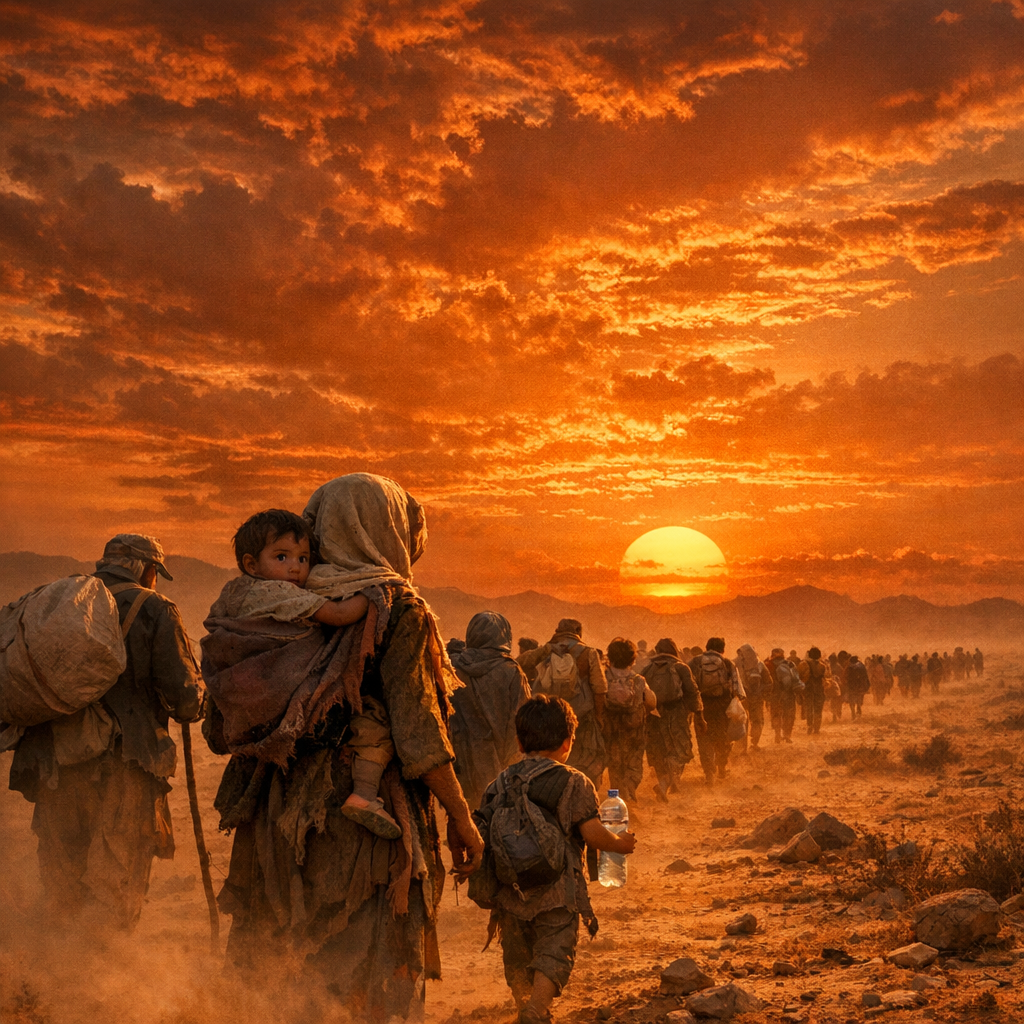
Forced displacement remains one of the most pressing humanitarian issues. Over 100 million people have been uprooted by conflict, violence, and persecution. These include refugees, asylum-seekers, internally displaced people (IDPs), and stateless individuals. While some populations are returning home, the scale of displacement remains extreme—and many live in unstable, under-resourced conditions. Most displaced people remain close to their countries of origin, and host nations—especially in lower- and middle-income regions—carry the heaviest burden for support.
Complex Overlaps and Long-Term Displacement
In many cases, environmental and climatic stresses intensify displacement caused by conflict or political crisis. Drought, land degradation, extreme heat, and rising seas can worsen economic instability, trigger resource scarcity, and undermine livelihoods. Displacement that once seemed temporary now stretches into years or decades, calling for solutions beyond emergency relief. Self-reliance, access to work and education, health services, and social integration are becoming urgent priorities.
Intersecting Challenges: What It Means for Global Stability
The overlap of climate stress, displacement, and political instability contributes to what many are calling a “polycrisis”—a period marked by multiple, interconnected global emergencies. These challenges strain international cooperation, test the resilience of governments, and may fuel new conflicts.
What Lyons and Local Communities Can Learn
Although Lyons is distant from war zones and refugee camps, local governments and citizens still feel the ripple effects. Rising costs of resources, supply chain disruptions, climate migration, and debates around asylum and immigration policy are not just global matters—they belong in local council chambers, school curricula, environmental planning, and civic discourse. Lyons can play a role by supporting credible global reporting, helping resettled refugees integrate, and advocating for climate policies that reduce risk at both local and international scales.
Pathways Forward
- Strengthening global institutions and norms: support for treaties, human rights frameworks, and climate agreements remains essential.
- Investing in climate adaptation and early-warning systems: especially in regions facing repeated extreme events.
- Prioritizing durable solutions for displaced people: ensuring access to livelihoods, education, and long-term safety.
- Encouraging local-global solidarity: municipal leaders, schools, faith groups and nonprofits can elevate awareness and build bridges.
Global challenges like climate change, displacement, and political instability aren’t remote—they are transforming our shared future. Responding to them well is both a moral test and a practical necessity. And each community, including Lyons, has a part to play.